Types of Dams – 3 Classification Criteria Explained

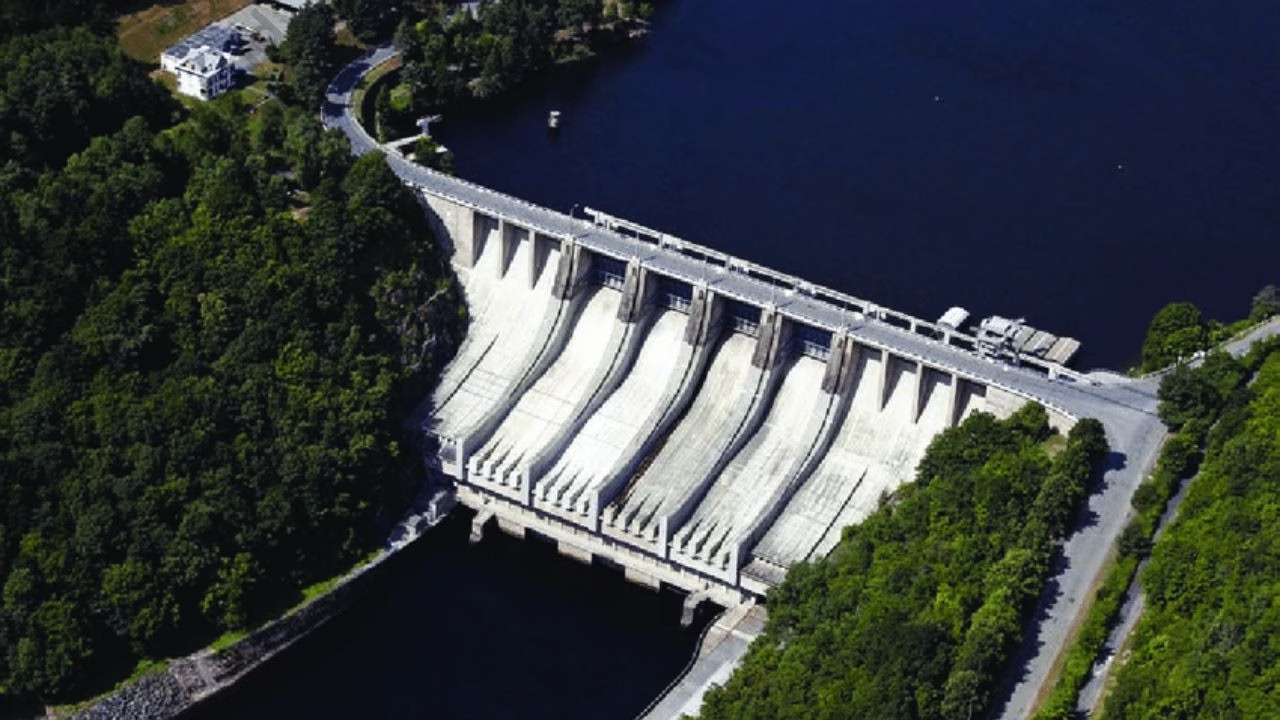
Types of dams play a crucial role in water storage, flood control, irrigation, power generation, and environmental protection. Engineers use different classification of dams based on several criteria to select the best structure for a specific project site. One common approach is to classify dams by the types of dams based on material, such as earth dams, rockfill dams, masonry dams, and concrete dams. Another important method includes types of dams based on function, like storage dams, diversion dams, and detention dams. Additionally, dams are grouped by hydraulic behavior, which refers to types of dams based on hydraulic design, such as overflow and non-overflow dams. Understanding these categories helps engineers make the right design decisions depending on topography, geology, hydrology, and project needs. This article explains all major different types of dams used in construction with clear examples and applications.

Components of dam – 12 dam components explained

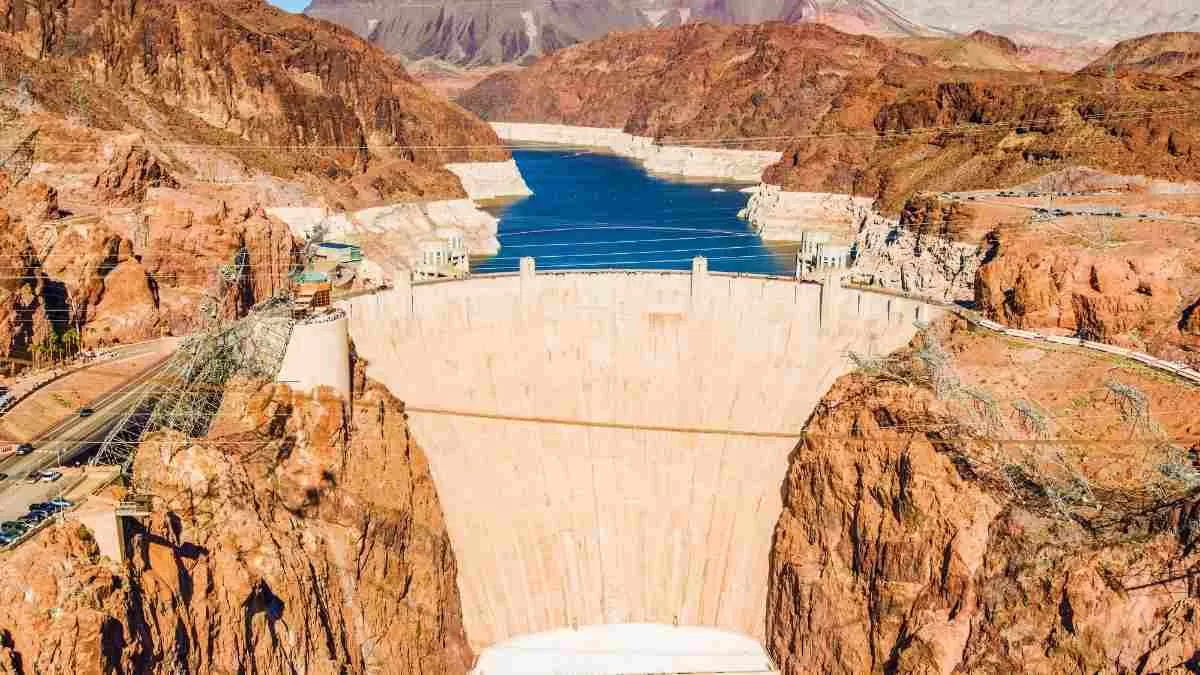
Dams are obstructions constructed across the water bodies to control the water flow and water levels. Each components of dams play specific roles in managing their prime responsibility of managing water. This article is about the components of dam and their functions.

Cofferdam Types – Materials and Construction Techniques

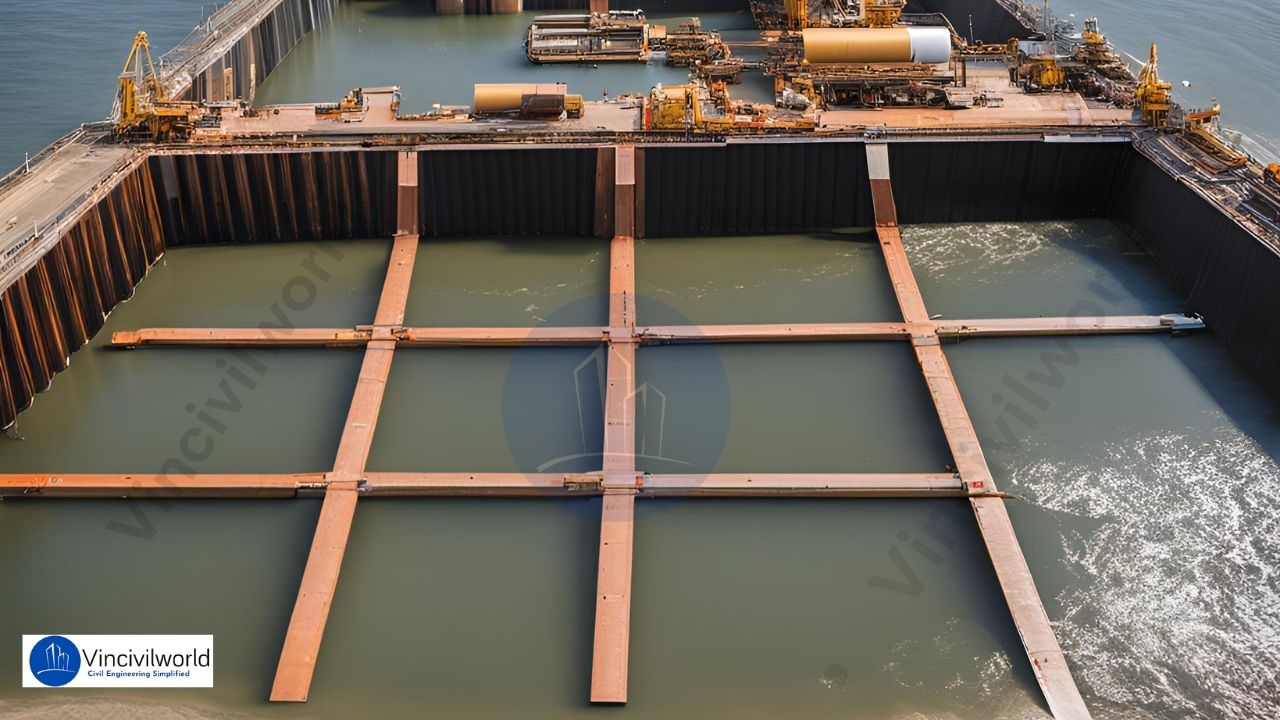
Cofferdams are enclosures built inside bodies of water such as lakes and rivers to provide a dry working environment throughout the construction period. Cofferdams are temporary dykes that are built across a body of water. They allow the water to be pumped outside, ensuring a clean and dry construction site.

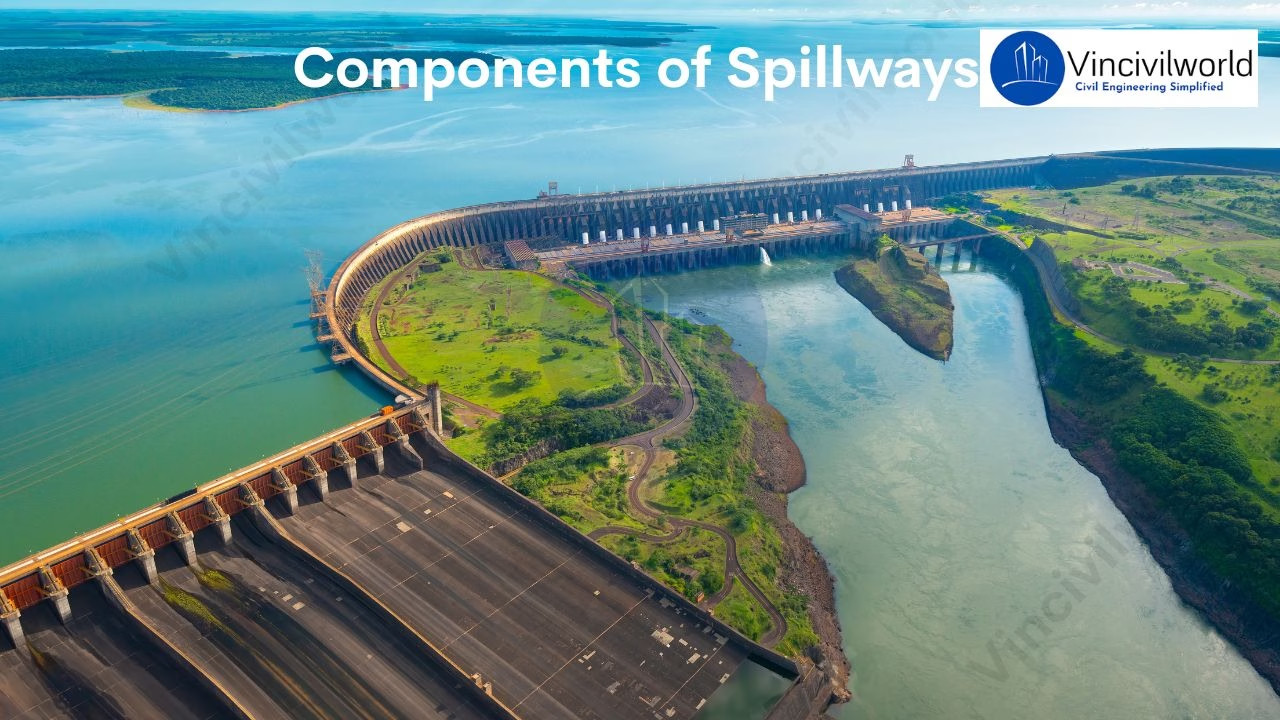
Spillway – Types,components and features

A spillway is an inevitable component of any dam that helps in the emergency discharge of water. Spillways is an important topic in hydraulics. Design of dam and related information comes under the topic. In this blog, I will show you the importance of spillway and their types. We will go deeper into each of these in separate sections.

Reservoir vs Dams || Reservoir- Types and functions

Reservoirs are artificial or natural structures used for collecting and storing for further usages. The reservoir is formed by constructing dams across rivers, valleys, and streams. The Reservoir is located on the upstream side of dams and prevents floods by managing the water flow apart from serving as a storage basin.

Dams – Site selection, Advantages and Disadvantages

Dams are obstructions constructed across the water bodies to control the water flow and water levels. Dams serve as a water source for human consumption, irrigation purpose, power generation, prevention of floods when there is a sudden discharge of floodwater. The water that impounds in the dams is also used for recreation purposes and industrial uses. They are mostly made up of rock fill or earthen.